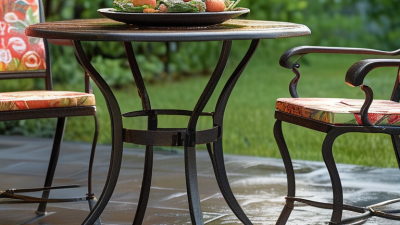
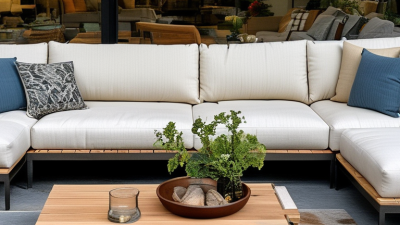
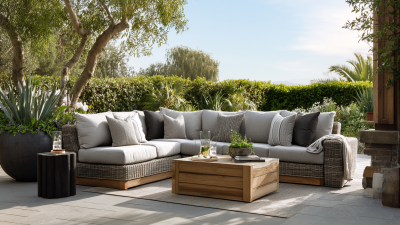
How to Choose Outdoor Chairs for Your Business?

Choosing Outdoor Chairs for a business means balancing comfort, durability, appearance, and upkeep. A chair may look elegant beside a café table, then wobble on uneven paving or fade after a season in direct sun. Small details matter: drainage holes, rounded edges, stackable frames, and feet that grip the floor. Looks matter. So does daily use.

Furniture designer Hans J. Wegner is often quoted as saying, “A chair is to have no backside. It should be beautiful from all sides and angles.” For commercial spaces, that idea has practical value. Guests see chairs from every direction, while staff move and clean them throughout the day. Still, beauty alone is not a buying plan. Check frame materials, weight limits, finish warranties, and whether replacement parts are available. Then consider your climate and storage space. Then comes weather.

The right choice depends on the setting. A busy patio may need sturdy, easy-to-clean chairs that stack quickly at closing time. A hotel terrace may call for softer cushions, provided staff can store them during rain. Ask suppliers for samples, and test them on your actual flooring. Sit in them. Move them. Inspect the joints. I would not treat one showroom visit as proof of long-term performance; real wear takes time, and even sound choices can need adjustment. Compare total ownership costs, not just the unit price. A clear checklist helps your business choose Outdoor Chairs that suit its guests, staff, and daily routine.
How to Choose Outdoor Chairs for Your Business?

Identify Your Business Needs and Seating Requirements

Before comparing outdoor chairs, define how your business uses its outdoor area. A café with quick table turnover needs easy-to-move seating, while a hotel patio may prioritize longer comfort and a calmer appearance. Note peak guest numbers, average visit length, and whether customers dine, wait, or gather informally. Measure the usable space, not just the full patio. Planters, doors, service paths, and accessible routes all take room. Leave enough clearance for staff carrying trays. Small details matter.

Estimate the number and mix of seats you actually need. Compare weekday and weekend demand, and note seasonal changes. A simple floor plan showing table widths and chair pull-back space can reveal crowding before purchase. Do not fill every gap. Staff need room to pass, and guests should sit without scraping neighboring chairs. If demand varies, a smaller core set plus movable chairs may work better. It is not a perfect forecast. Expect revisions after a busy service.

Consider who will use the chairs and how they will be maintained. Families may appreciate stable seats with arms; compact dining areas may benefit from armless designs. Check seat height against existing tables, then test a sample outdoors for comfort, stability, and ease of cleaning. Ask staff to move it while carrying a tray. Their feedback may reveal awkward weight or sharp edges. Record exposure to sun, rain, wind, and salt air, then choose materials that match your maintenance routine. A beautiful chair is less useful if your team avoids caring for it.

Assess the Outdoor Setting, Climate, and Available Space

Before choosing outdoor chairs, watch how the space behaves during a busy service. A sunny patio at noon may sit in shade by dinner, while a narrow walkway can become blocked when chairs slide back. Measure the usable area, not just the floor plan. Measure it twice. Leave room for guests and staff to pass without twisting sideways, and test the layout with tables in place.

Climate affects comfort and upkeep. In hot, direct sun, dark surfaces can become uncomfortable to touch; in wet regions, cushions may stay damp long after a shower. Salt air, strong wind, and freezing winters each put different stress on frames and finishes. Wind changes things. Check whether chairs feel stable on the actual surface, especially on exposed terraces. Ask how materials handle moisture and whether routine cleaning requires special care.

Space also changes with the season. A restaurant that stores chairs indoors during winter may choose stackable designs, while a year-round café may need furniture that stays comfortable through changing weather. Keep storage access in mind before ordering. I have seen layouts that looked generous on paper feel cramped once guests arrived with bags and coats. That detail is easy to miss. Test a small group of chairs first, then adjust spacing based on real movement and service needs.

Compare Chair Types, Materials, and Design Features

Choose chair types around how guests use the space. Bistro chairs suit compact patios and quick meals. Deep lounge chairs encourage longer stays but need more floor area. Stackable designs simplify storage, though lighter frames may shift in strong wind. Measure walkways with chairs pulled out, not tucked under tables.

Material affects upkeep as much as appearance. Aluminum is light and resists rust, while powder-coated finishes can scratch at busy contact points. Teak brings warmth, but it weathers and needs periodic care. Resin wicker offers a softer look; inspect its weave and frame joints for weak spots. Grand View Research estimated the global outdoor furniture market at USD 50.28 billion in 2023, reflecting substantial demand across outdoor settings. That figure signals market scale, not proof that any chair suits a particular site. Small details matter. Look for replaceable glides, rounded edges, and drainage gaps that prevent water pooling. The USDA Forest Products Laboratory’s Wood Handbook explains how changing moisture affects wood; finishes can reduce exposure, but they do not eliminate maintenance. I would still test a sample outdoors. Fabric colors can fade, and catalog photos rarely show how hot a dark seat feels in afternoon sun.

How to Choose Outdoor Chairs for Your Business? - Compare Chair Types, Materials, and Design Features
Chair Type Typical Materials Best For Weather Performance Care and Maintenance Useful Design Features Points to Check
Stackable molded chair UV-stabilized polypropylene or other outdoor-rated plastic Cafés, pool areas, and venues that need flexible seating Plastic resists moisture; prolonged sun exposure can fade or weaken some products. Usually easy to wash with mild soap and water; inspect for cracks and fading. Stackable shape, lightweight construction, and optional drainage openings Check stack height, stability, and whether the plastic is rated for outdoor use.
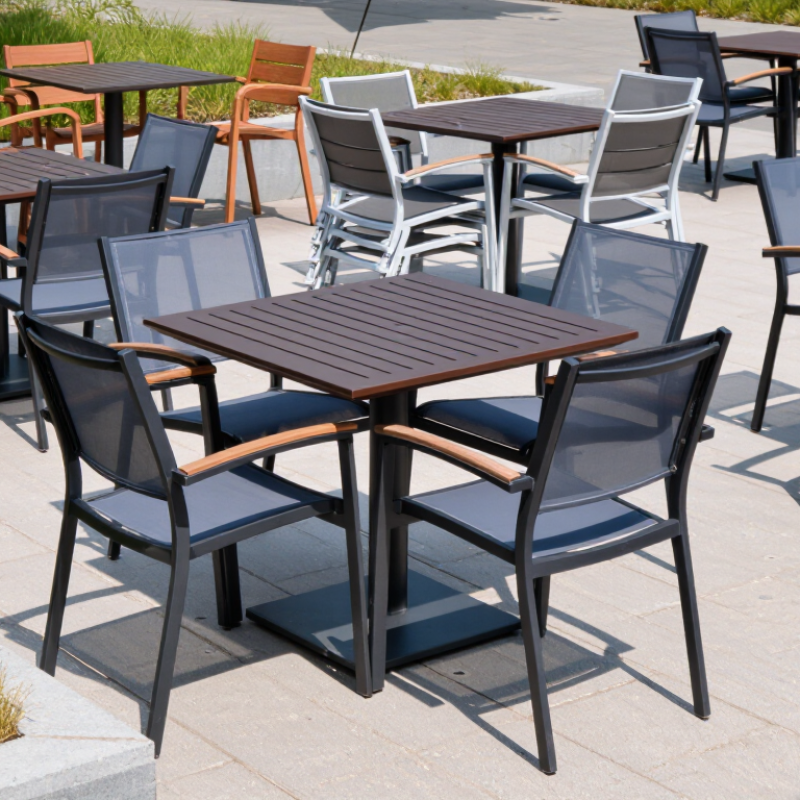
Aluminum-frame chair Powder-coated or anodized aluminum, often with textilene or sling fabric Patios and terraces where staff move chairs often Aluminum does not rust like ordinary steel, though finishes and fittings still need care. Wipe frames regularly; rinse salt or chemical residue and check joints and fabric. Low weight, stackable options, quick-drying sling seats, and replaceable glides Confirm frame rigidity, coating quality, and fabric replacement availability.
Steel-frame chair Galvanized or coated steel, sometimes paired with wood or mesh Fixed outdoor dining areas where a heavier chair is acceptable Durable when properly protected; chips or scratches can expose steel to corrosion. Clean and dry as needed; repair damaged coatings and inspect welds and fasteners. Substantial feel, slim profiles, and options for matching tables Ask about corrosion protection, drainage, and the intended exposure conditions.
Hardwood chair Teak or other outdoor-suitable hardwoods Hotels, restaurants, and settings that favor a natural look Performance depends on species, construction, finish, and exposure; wood can weather outdoors. Clean periodically; oiling is optional for appearance, while sealers require upkeep. Warm appearance, solid armrests, and folding or stacking designs in some models Check responsible sourcing, joinery, finish requirements, and storage needs.
Synthetic-woven chair Outdoor-rated resin wicker over an aluminum or steel frame Lounges, cafés, and outdoor spaces aiming for a woven texture Outdoor resin can resist moisture; UV resistance varies by material and product quality. Brush off debris and wash gently; inspect weave ends and the supporting frame. Textured finish, shaped backs, and optional removable cushions Verify outdoor-rated weave, cushion storage needs, and repair options.
Folding chair Aluminum, coated steel, or outdoor-rated plastic Seasonal seating, events, and venues with limited storage Depends on frame and finish; folding joints may need extra protection from dirt and moisture. Clean hinges and check locking parts, fasteners, and feet regularly. Compact storage, quick setup, and carrying handles on some designs Test the locking mechanism and folded dimensions before buying in quantity.

Selection note: Compare seat comfort, stability, stackability, maintenance requirements, and the manufacturer's stated outdoor-use guidance before purchasing.

Evaluate Durability, Safety, Comfort, and Maintenance

Choosing outdoor chairs for a business starts with the site, not the catalogue. A café on a windy pavement has different needs from a sheltered courtyard. Inspect joints, welds, fasteners, and finishes; these often reveal more than a polished product photo. Ask how the materials handle rain, strong sun, and frequent movement. Heavier chairs may stay put, but staff may find them awkward to stack. That trade-off is easy to miss. Check the stated weight capacity and test chairs on the actual patio surface. Wobbly legs or sharp edges deserve attention before customers sit down.

Comfort is practical, too. Sit in each chair for several minutes and notice seat depth, back support, and arm clearance around your tables. If possible, ask staff and a range of customers to try them. One chair will not suit everyone. For safety, look for a stable base, smooth edges, and feet that grip without catching on paving. Maintenance can shape the real cost: textured surfaces may hold grime, while removable cushions need somewhere dry to go. Wipe chairs after a busy service and check screws or feet regularly. A small maintenance log helps, though busy teams may not keep one perfectly. Observe wear through a full season before ordering more.

How to Choose Outdoor Chairs for Your Business

These illustrative 1–5 scores show how much attention to give each criterion when comparing commercial outdoor chairs; they are not product test results. Consider your venue, expected use, local safety requirements, and cleaning routine when making a final choice.

Set a Budget and Select a Reliable Supplier

Set a working budget before comparing outdoor chairs, and price the full setup rather than the unit alone. Include freight, assembly, replacement glides, cleaning supplies, and a small allowance for damaged stock. Grand View Research valued the global outdoor furniture market at USD 50.76 billion in 2023 and forecast 5.0% annual growth through 2030. That signals a broad, competitive market, not a guarantee that every low-priced chair will last. Small details matter.

Ask suppliers for a written specification covering frame material, finish, weight capacity, and care instructions. For a coastal patio, request evidence of corrosion testing; for a sunny courtyard, ask how fabrics and finishes handle UV exposure. Get a physical sample when possible. A chair that looks sturdy in a product image may wobble on uneven paving. I still find freight and maintenance costs easy to underestimate, so compare total costs over several seasons, not just the first invoice.

Check references from businesses with similar use, then confirm stock levels, lead times, warranty exclusions, spare-part availability, and payment terms in writing. Request a dated quote with matching quantities and delivery conditions. If a supplier cannot explain how damaged parts are replaced, treat that as a real cost risk. A slightly higher quote may be easier to defend when service and specifications are clear. Forecasts are useful, but your own wear records should guide the next order.

No products in the cart.