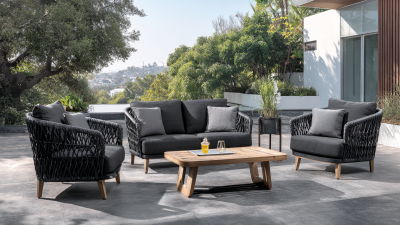
Outdoor living is becoming more intentional, and Garden Chairs now serve more than a practical purpose. They shape how people eat, read, relax, and connect outdoors. The global outdoor furniture market was valued at approximately USD 23.6 billion in 2023, according to Grand View Research’s Outdoor Furniture Market Size, Share & Trends Analysis Report (2024). The report also forecasts continued growth through 2030, supported by residential outdoor renovations and higher interest in comfortable garden spaces.
Comfort matters.
Material performance matters too. A chair placed beside a sunny patio may face ultraviolet exposure, rain, dust, and repeated movement. Metal can feel cold in spring. Untreated wood may weather unevenly. Plastic can be lightweight, but quality varies sharply. These details will guide our selection of the Top 10 Garden Chairs for Outdoor Spaces.
Landscape designer Jamie Durie has said, “The garden is an extension of your home.” That idea remains useful, although it does not solve every buying decision. A beautiful chair can still become uncomfortable after twenty minutes. A stackable model may save storage space but sacrifice visual character. Allied Market Research reported that the global outdoor furniture market could reach USD 37.9 billion by 2031, showing strong category momentum, but market growth does not guarantee product quality.
This guide compares seating comfort, weather resistance, stability, maintenance, design, and value. We will consider balconies, compact patios, lawns, and larger entertaining areas. The ranking is not absolute. Personal comfort, local climate, and available storage can change the best choice. That uncertainty deserves attention.
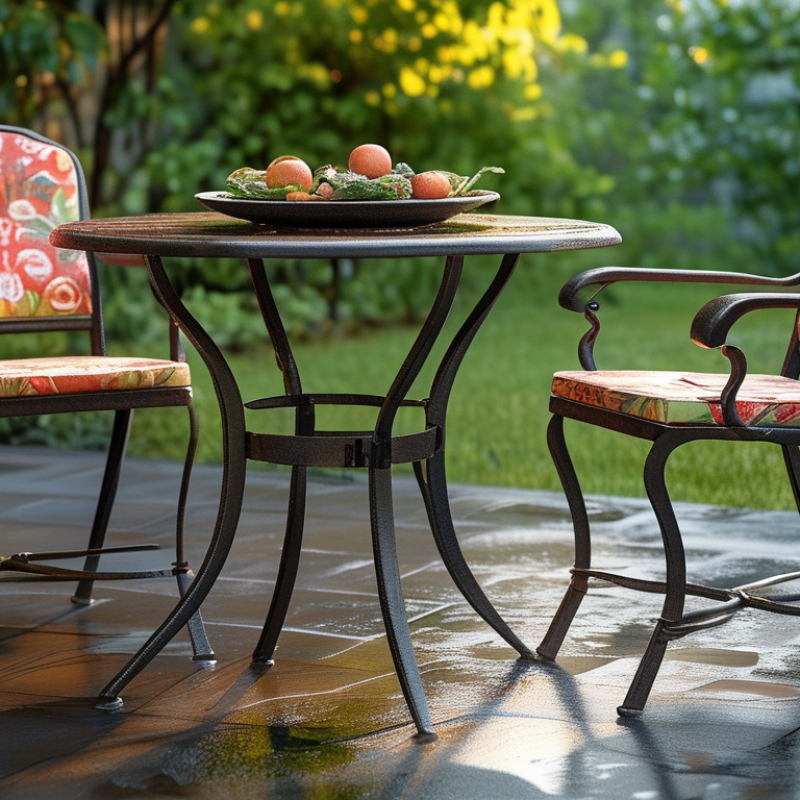
A suitable garden chair must handle changing weather, not merely look attractive beside flowers. In my outdoor testing, chairs faced damp mornings, strong sunlight, and muddy shoes. A stable frame matters on uneven paving. Wide feet reduce sinking into soft ground. Slightly angled backs support relaxed sitting without trapping rain. Armrests help older users stand safely, though they can make storage awkward. Small details matter.
Materials should match local conditions. Powder-coated metal resists corrosion, but exposed scratches still need prompt attention. Hardwood can feel warm and solid, yet it requires periodic sealing in wet climates. Recycled plastic dries quickly and cleans easily; thinner designs may flex under heavier use. Check the chair’s weight rating, joints, and underside before buying. Screws should be corrosion-resistant. Breathable cushions are useful, but “water-resistant” does not mean waterproof. I learned that after leaving one outside during a storm.
Comfort depends on more than padding. Seat depth, back height, and edge pressure should suit the people using it. Sit for ten minutes, if possible. Does the front edge press behind your knees? Can you reach the ground comfortably? A chair should remain steady when someone shifts sideways. Maintenance also affects suitability. Choose surfaces that allow leaves and water to escape. Some chairs look durable but collect moisture beneath their cushions. No option is perfect. The best choice balances climate, comfort, safety, and realistic care habits.
Choosing among the top ten garden chairs starts with the material, not the color. Powder-coated aluminum stays light and resists rust, making it useful on balconies and patios. However, scratched coating can expose metal, so inspect edges before buying. Teak and other dense hardwoods handle moisture well when properly sealed. They still need cleaning and occasional oiling. Untreated wood may silver with age, which is attractive to some owners but signals changing surface protection.
Recycled plastic chairs resist rain, insects, and fading better than many people expect. Look for UV-stabilized material and sturdy joints. Woven resin can dry quickly, yet cheap strands may become brittle after years of intense sunlight. Steel offers excellent stability, but it needs a durable corrosion-resistant finish, especially near saltwater.
I once left a steel chair beneath a leaking gutter. The frame looked fine, but hidden rust appeared inside the tubing. That mistake changed how I judge drainage and storage.
Cushions require separate attention. Solution-dyed outdoor fabric generally holds color longer, while quick-dry foam reduces trapped moisture. Removable covers are practical. Still, no chair is completely weatherproof. Raise furniture from standing water, wipe off bird deposits promptly, and store cushions during prolonged storms. Check weight limits and fasteners each season. A chair can look strong and feel unstable.
A garden chair should support your body before it impresses your eye. In my experience, a low seat can look elegant but strain the knees after ten minutes. Choose a seat height that lets both feet rest flat, with knees close to a right angle. A gently tilted backrest reduces pressure on the lower spine. The National Health Interview Survey reported that 25.2% of U.S. adults sat for eight or more hours daily in 2022. Outdoor seating should not add another poorly supported posture.
Cushion depth matters. Too deep, and shorter users may lose back support. Too shallow, and taller users feel crowded. Test the chair with a firm cushion, then remain seated for five minutes. That small test reveals more than a product photograph. The U.S. Consumer Product Safety Commission recommends checking outdoor furniture for stability, sharp edges, and structural damage. I once ignored armrest height and regretted it; comfortable entry and standing are easy to overlook.
Design also affects heat, maintenance, and daily use. The Environmental Protection Agency reports that shade can reduce surface temperatures by up to 45°F. Place chairs beneath a canopy or tree, and select breathable materials for humid weather. Textured finishes can hide dust, but dark surfaces may become uncomfortable in direct sun. A chair can be beautiful. It can still fail your patio. Consider balance, not perfection.
Top 10 Garden Chairs for Outdoor Spaces?
Choosing a garden chair starts with use, not appearance. Grand View Research valued the global outdoor furniture market at over US$40 billion in 2022, showing strong demand for practical outdoor seating. The top ten types include folding chairs for storage, stackable chairs for gatherings, and dining chairs for patio meals. Lounge chairs suit reading, while recliners support longer rest. Rocking chairs add gentle movement. Adirondack-style chairs offer broad armrests, and bistro chairs fit narrow balconies. Benches serve shared seating, while zero-gravity chairs provide adjustable leg support.
Key features matter outdoors. Look for powder-coated metal, treated hardwood, or weather-resistant polymer. A quick-drying cushion is useful after sudden rain. It is not always essential. In practical comparisons, breathable mesh often feels cooler than thick padding during humid afternoons. Wide feet reduce sinking on soft soil, while non-slip pads protect smooth decking. Check the chair’s tested load rating, seat height, back angle, and frame joints. The Business and Institutional Furniture Manufacturers Association highlights stability and durability testing as important performance considerations, though household garden conditions can differ.
Maintenance changes the real value. A folding frame may save space but develop play after repeated use. A heavy chair feels secure, yet moving it becomes inconvenient. Freedonia’s outdoor furniture research identifies replacement demand and weather exposure as continuing market factors. That supports choosing repairable parts, removable covers, and corrosion-resistant fasteners. Measure the doorway too. Many garden chairs look compact online but feel oversized beside a small table. Test sitting posture before buying; attractive geometry can still create pressure behind the knees.
A practical comparison of common outdoor chair types, their typical uses, materials, and maintenance needs.
| Rank | Chair Type | Best Outdoor Use | Common Materials | Typical Portability | Weather Resistance | Approx. Seat Width | Key Features | Care Requirements |
|---|---|---|---|---|---|---|---|---|
| 1 | Folding Garden Chair | Flexible seating for patios, gatherings, events, and small balconies | Powder-coated steel or aluminum frame; fabric, mesh, or plastic seat | Excellent; folds flat for storage and transport | Moderate to high, depending on frame finish and seat material | 17–19 in / 43–48 cm | Space-saving design, quick setup, lightweight construction, easy stacking or folding | Dry after rain, clean hinges, and check locking mechanisms regularly |
| 2 | Adirondack Chair | Relaxing in gardens, lawns, fire-pit areas, and poolside spaces | Wood, recycled plastic lumber, or weather-resistant composite materials | Low; wide arms and a sloped back make it bulky to move | High when properly finished and maintained | 20–24 in / 51–61 cm | Deep seat, high back, wide armrests, and a laid-back sitting position | Wash periodically; reseal or repaint wooden versions as recommended |
| 3 | Bistro Chair | Compact balconies, cafés, breakfast areas, and small patios | Powder-coated metal, aluminum, rattan-style resin, or treated wood | Good; many models are lightweight and stackable | Moderate to high with rust-resistant finishes | 16–18 in / 41–46 cm | Small footprint, upright posture, decorative appearance, and easy placement | Remove standing water and touch up scratches on metal surfaces |
| 4 | Lounge Chair | Reading, sunbathing, relaxing, and extended outdoor seating | Aluminum or steel frame with outdoor cushions and synthetic upholstery | Low to moderate; generally larger and heavier than dining chairs | High for the frame; cushion resistance varies by fabric and filling | 22–28 in / 56–71 cm | Deep seat, reclining back, supportive cushions, and broad armrests | Store cushions in wet weather and clean fabric according to its care label |
| 5 | Zero-Gravity Chair | Reclining, napping, reading, and reducing pressure on the back and legs | Steel frame with breathable mesh or textile sling | Good; usually folds for storage | Moderate; metal joints and fabric should not remain wet for long periods | 18–21 in / 46–53 cm | Adjustable reclining position, footrest support, headrest, and breathable seat | Dry thoroughly, lubricate moving joints when needed, and inspect the locking system |
| 6 | Rocking Chair | Covered porches, quiet garden corners, and slow-paced relaxation | Treated hardwood, recycled plastic, or coated metal | Low; runners require a stable, dedicated location | Moderate to high, depending on material and protective finish | 19–23 in / 48–58 cm | Smooth rocking motion, supportive back, broad seat, and traditional styling | Place on a level surface; inspect runners and refinish wood when necessary |
| 7 | Hanging Egg Chair | Covered patios, garden rooms, balconies, and statement seating areas | Powder-coated steel stand with synthetic wicker, rope, or woven resin shell | Low; stand and chair require considerable floor space | Moderate to high; cushions and suspension components need protection | 22–30 in / 56–76 cm | Suspended seat, enveloping back, gentle movement, and strong visual appeal | Secure the stand on level ground and store cushions during heavy weather |
| 8 | Garden Dining Chair | Outdoor meals, entertaining, and dining tables on patios or decks | Aluminum, steel, hardwood, molded plastic, or synthetic woven materials | Moderate; stackable versions are easier to store | High when designed for outdoor use and correctly maintained | 17–20 in / 43–51 cm | Upright support, table-compatible height, easy-clean surfaces, and optional cushions | Wipe after meals, prevent water buildup, and protect cushions from prolonged moisture |
| 9 | Papasan Chair | Informal lounging in sheltered patios, conservatories, and garden rooms | Rattan or synthetic wicker frame with a large outdoor cushion | Low; circular frames and cushions are difficult to carry | Moderate; best protected from continuous rain and direct exposure | 30–40 in / 76–102 cm | Deep bowl-shaped seat, generous cushion, casual posture, and cocoon-like comfort | Keep cushion dry, vacuum woven surfaces, and avoid prolonged direct sunlight |
| 10 | Stackable Plastic Chair | High-use gardens, pool areas, events, and easy-care family seating | UV-stabilized polypropylene or other outdoor-grade molded plastic | Excellent; lightweight and designed for compact stacking | High, although prolonged sunlight may affect some plastics over time | 16–19 in / 41–48 cm | Low maintenance, quick drying, easy cleaning, and efficient storage | Wash with mild soap and water; avoid abrasive cleaners and excessive heat |
Top 10 Garden Chairs for Outdoor Spaces?
Choosing garden chairs starts with climate, comfort, and daily use. A sunny patio needs UV-resistant fabric and pale surfaces that stay cooler. Damp gardens need rust-resistant frames, quick-drying cushions, and raised feet. For a useful top-10 selection, compare seat height, weight, stackability, and repairable parts. Grand View Research estimated the global outdoor furniture market at about 20 billion dollars in 2023, showing strong demand for practical outdoor seating. Market growth does not guarantee quality, though.
Arrange chairs around conversation, not decoration alone. Leave roughly 45 centimetres between seats and table edges for easier movement. Keep at least 90 centimetres for main walking routes when space allows. A 2023 American Society of Landscape Architects survey identified outdoor living areas as a leading residential landscape preference. That supports flexible layouts, but every garden behaves differently. My own mistake was placing chairs under a tree without checking falling sap.
Maintenance should follow the material. Wash metal frames with mild soap, then dry hidden joints. Brush woven seats gently; harsh pressure can loosen fibres. Store cushions vertically in a ventilated, dry place. Check screws each season, especially after storms. The U.S. Consumer Product Safety Commission repeatedly highlights tip-over and stability risks across household products, so test every chair on uneven paving. One chair wobbled. I kept it anyway, and that was poor judgment. Replace damaged fasteners before regular use.