Why Choose Outdoor Sofa for Global Sourcing?

Global sourcing has changed how buyers evaluate an Outdoor Sofa. Price still matters, but it is only one part of the decision. Experienced purchasers also examine comfort, frame strength, fabric performance, packaging, and long-term maintenance.

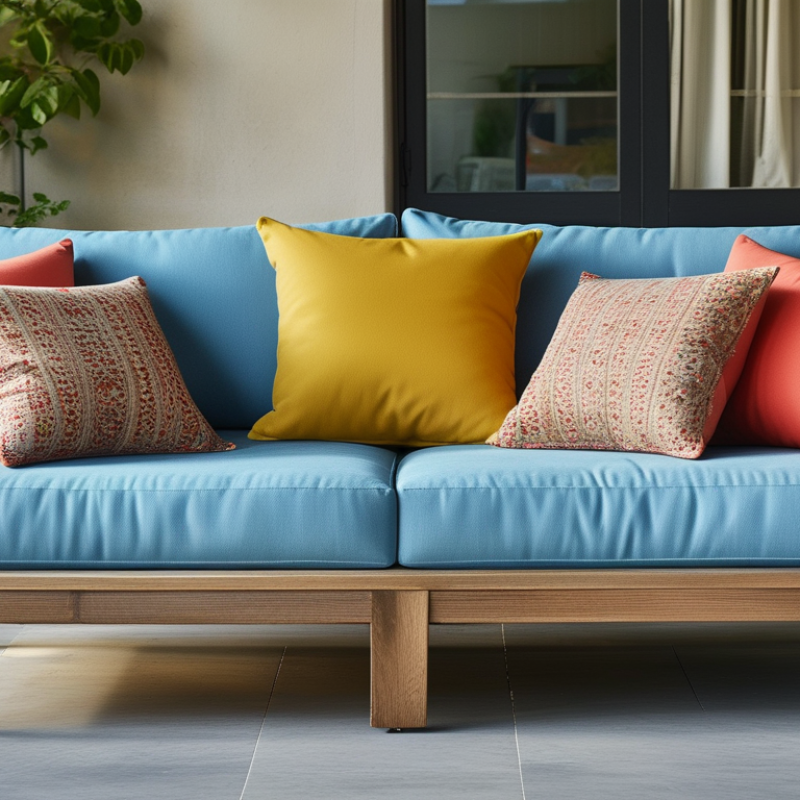
Richard Frinier, a recognized outdoor-furniture designer, has said, “Outdoor furniture should be as comfortable and beautiful as indoor furniture.” This idea remains practical for international sourcing. A well-designed Outdoor Sofa should support relaxed posture, resist moisture, and retain its appearance under strong sunlight. Buyers should inspect aluminum thickness, weld quality, cushion density, and fabric specifications. Small details matter. A weak zipper can damage an otherwise excellent product.

Global suppliers can offer broader design choices, stable production capacity, and competitive material options. They may provide modular seating, quick-dry foam, recycled fabrics, or powder-coated frames for different climates. However, sourcing internationally is not automatically better. Samples may look impressive but feel uncomfortable after an hour. Color consistency can change between production batches. Shipping delays can also disrupt seasonal sales. These weaknesses deserve honest attention.

A reliable sourcing process requires factory audits, physical samples, performance testing, and clear communication. Buyers should request documented material information and realistic care instructions. They should also compare warranty terms before placing large orders. The cheapest Outdoor Sofa may create higher costs through returns, repairs, and customer complaints. Better decisions come from evidence, not attractive photographs alone. There is no perfect supplier. Careful questioning simply reduces avoidable risk.
Why Choose Outdoor Sofa for Global Sourcing?

What Is an Outdoor Sofa in Global Sourcing?

What Is an Outdoor Sofa in Global Sourcing?

An outdoor sofa is seating designed for patios, balconies, gardens, terraces, and commercial outdoor spaces. In global sourcing, it means more than a comfortable frame with cushions. Buyers assess weather resistance, construction quality, packaging, compliance, and long-term maintenance before placing orders.

Common specifications include powder-coated aluminum, treated wood, synthetic wicker, quick-dry foam, and solution-dyed fabrics. These materials help manage sunlight, rain, humidity, and temperature changes. However, “weatherproof” is not an unlimited promise. Testing conditions differ between suppliers, and coastal air can expose weak finishes quickly. A reliable sourcing process should request material certificates, fabric performance data, load tests, and sample inspections.

The market is expanding, but reported values vary by definition. Grand View Research estimated the global outdoor furniture market at approximately USD 18 billion in 2023, with continued growth expected through 2030. Mordor Intelligence also forecasts steady expansion, linked to residential landscaping, hospitality projects, and outdoor living demand.

These reports often combine sofas, dining sets, loungers, and accessories. Therefore, their figures cannot represent outdoor sofas alone. That distinction matters.

From a buyer’s experience, an outdoor sofa must fit both the climate and the supply chain. A thick cushion may feel luxurious, yet increase shipping volume. A lightweight frame may reduce freight costs, but require stronger joints. Suppliers should provide carton dimensions, moisture protection, spare-part options, and care instructions. Small oversights become expensive globally.

Why Outdoor Sofas Are Attractive for International Buyers

International buyers are increasingly choosing outdoor sofas for practical, commercial reasons. Grand View Research estimated the global outdoor furniture market at about USD 19.4 billion in 2023. It also forecasts steady growth through 2030. Outdoor sofas serve hotels, restaurants, serviced apartments, and residential developments.

The appeal is visible in daily use. A modular sofa can fit a narrow balcony or a large pool terrace. Removable cushions simplify cleaning and seasonal storage. Powder-coated aluminum frames reduce maintenance in humid environments. Solution-dyed fabrics can help resist fading, although no textile remains perfect under harsh sunlight.

Buyers should request performance tests, material specifications, and warranty terms before negotiating volume orders.

Logistics also influence sourcing decisions.

Stackable sections can improve container utilization and reduce handling damage. However, bulky packaging may still increase freight costs. The International Trade Centre highlights transport efficiency as a major factor in international product competitiveness. Buyers should compare packed dimensions, carton strength, assembly time, and replacement-part availability. These details often matter more than attractive showroom photographs.

Sustainability is another purchasing factor.

The Global E-waste Monitor is not directly focused on furniture, but its findings reinforce a wider concern: disposable products create long-term waste. Durable frames and replaceable covers may support a more responsible purchasing model. The weakness is clear. Environmental claims can be vague. Independent documentation is essential. Reliable suppliers should explain material origins, testing methods, production experience, and quality-control procedures without overstating their capabilities.

Which Materials and Designs Suit Global Markets?

Global sourcing needs more than attractive outdoor sofas. Materials must survive different climates, shipping routes, and customer habits. Grand View Research estimates the global outdoor furniture market will expand at about 5.6% annually from 2024 to 2030. This growth rewards designs that travel well.

Aluminum frames suit humid coastal regions because they resist rust and remain relatively light. Powder coating adds color, but poor surface preparation can cause peeling. Teak offers strong weather performance, while certified sourcing supports responsible procurement. Recycled HDPE works well for low-maintenance collections and consistent color. Textile choices also matter. Solution-dyed acrylic can resist fading, yet light colors may still show dust quickly. A 2023 report from the Ellen MacArthur Foundation stresses that durable, repairable products support circular furniture systems. That principle is useful, but many sofa designs still make cushion replacement difficult.

Tips: Use modular frames, removable covers, and standard cushion sizes. Test salt spray, UV exposure, rain, and temperature changes before ordering. Specify packaging dimensions early. Oversized sofas can lose their margin through freight costs. I have seen buyers focus on material price and overlook replacement parts. That is a costly mistake. Leave room for local preferences, too. Deep seats may appeal in one market, while firmer cushions fit smaller balconies elsewhere. No design wins everywhere.

How to Evaluate Outdoor Sofa Suppliers and Production Quality?

Choosing an outdoor sofa for global sourcing requires more than comparing prices. Supplier evaluation should begin with production evidence, not attractive catalog images. Request material specifications, factory photos, recent inspection records, and a clear quality-control process.

Inspect the frame carefully. Aluminum joints should be evenly welded, without sharp edges or visible pinholes. Steel components need reliable corrosion protection, especially around cut edges and drainage points. Test the sofa’s stability on an uneven surface. Small defects matter. Sit, lift, and move it repeatedly.

Check outdoor fabric for colorfastness, abrasion resistance, water repellency, and consistent stitching. Cushion foam should recover after pressure and dry within a practical period. Ask how foam density, fabric batches, and replacement covers are recorded. Production samples must match approved samples in dimensions, materials, and finish. A beautiful sample can still hide weak batch control.

Use an independent inspection before shipment when order value justifies it. Inspectors should measure key points, review packaging, and photograph defects. Ask suppliers to explain acceptable quality limits in writing. Communication speed is useful, but technical answers matter more. I have learned that rushed approvals create expensive corrections later. No audit is perfect, and moisture testing is sometimes overlooked. That is worth questioning. A dependable supplier welcomes corrective actions, documents them, and verifies the next production run.

What Risks Should Buyers Consider in Global Sourcing?

Choosing an outdoor sofa for global sourcing can improve variety, pricing, and access to specialized production. Yet the purchase involves more than comparing catalog photos. Buyers should examine frame materials, fabric performance, cushion filling, and packaging quality before approving samples.

Moisture is a serious risk. A sofa may look strong in a dry showroom but develop rust after repeated rain. Ask for corrosion-resistant hardware and test drainage through the cushions. UV exposure can also fade fabric quickly. Request documented performance data, not vague claims. Supplier audits should review production controls, worker conditions, material traceability, and inspection records. One overlooked detail matters: carton dimensions can increase shipping costs sharply.

Compliance creates another layer of risk. Buyers need to check destination-country rules for labeling, flammability, chemicals, packaging, and product safety. Requirements can differ between markets. A compliant product in one country may need changes elsewhere. Independent pre-shipment inspections can verify measurements, color, stitching, hardware, and carton strength. Photos are useful, but they cannot replace physical checks. In practice, even careful teams miss small defects, such as uneven gaps under a seat or missing protective caps. That is why contracts should define acceptable tolerances, inspection timing, payment stages, and remedies for defects. A cheaper quotation may become expensive after delays, rework, damaged goods, or customer complaints.

No products in the cart.