How to Choose Vintage Military Boots for Global Buyers?

Choosing Vintage Military Boots for international use requires more than judging color, patina, or a familiar army stamp. Buyers must connect historical authenticity with comfort, condition, sizing, and responsible trade. The World Footwear Yearbook 2024 reported approximately 22.4 billion pairs of footwear were produced globally in 2023. That scale makes careful product differentiation essential. Vintage military footwear represents a smaller, specialized category, where age and origin can strongly affect value.

A reliable evaluation begins with visible evidence. Inspect the outsole for hardened rubber, deep cracks, uneven wear, and missing lugs. Check stitching around the toe box and heel counter. Examine leather dryness, odor, corrosion, and previous repairs. Measurements matter more than printed sizes. A marked US 10 may fit differently from a European 44, especially after decades of storage. ISO 20347:2021 provides useful occupational-footwear guidance, but vintage boots are not automatically certified for modern workplace protection. Buyers should verify safety claims instead of assuming military origin means technical performance.

Provenance also deserves attention. Original labels, production dates, contract markings, and documented photographs can support authenticity. However, labels can be replaced. No checklist is flawless. Responsible sellers should disclose restored soles, altered uppers, missing insulation, and uncertain history. The EU’s circular economy policies and the Ellen MacArthur Foundation’s resale research both emphasize longer product use and transparent value chains. That principle fits vintage footwear well, but hygiene and material safety cannot be ignored. Global buyers should confirm customs rules, material declarations, packaging standards, and return terms before payment. A beautiful pair may still be the wrong purchase. Comfort, evidence, and honest condition reporting should guide every decision.
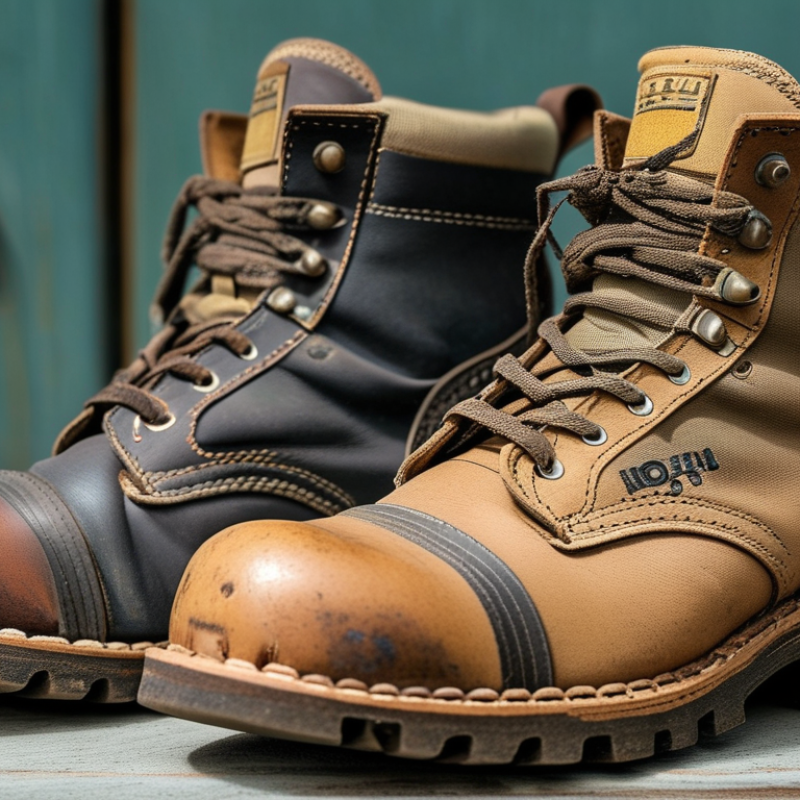
How to Choose Vintage Military Boots for Global Buyers?

Define Your Intended Use and Required Boot Features

Choosing vintage military boots begins with your intended use, not their appearance.

A boot for city walking needs different features from one used on wet trails or outdoor work. Decide where you will wear them, how often, and for how many hours. Short trips.

For daily urban use, choose moderate weight, flexible soles, and enough toe space. Smooth leather can handle light rain, but it still needs conditioning and drying time.

For rough ground, look for deeper tread, reinforced stitching, ankle support, and a firm heel counter. Insulation matters in cold regions, while breathable linings help during humid travel.

I once underestimated sole stiffness; attractive boots became tiring after several hours.

Check the boot’s actual condition carefully.

Examine cracked leather, hardened rubber, loose eyelets, and uneven wear around the heel. Original materials can be valuable, but age does not guarantee performance.

Ask for clear photos of the outsole, interior, size markings, and any repairs. Measurements are more dependable than labeled sizes, especially when buying across countries. Leave room for your thickest planned socks.

Small details matter.

Buy only through traceable, lawful sellers who can explain the item’s history and shipping documentation. Avoid boots with unidentified modifications or suspiciously incomplete descriptions.

A comfortable fit may require replacing old insoles, but major structural repairs can cost more than expected.

My own preference has changed: I now value stable construction over perfect patina, though that choice may disappoint collectors seeking untouched originality.

Identify Authentic Vintage Military Boot Types and Era Markings

How to Choose Vintage Military Boots for Global Buyers?

Authentic vintage military boots usually reveal their history through construction, materials, and markings. Common types include combat boots, jump boots, tanker boots, and cold-weather field boots. Each type served a different purpose. Combat boots often show reinforced toes and thick, practical soles. Jump boots may have smoother leather and stronger ankle support. However, styles changed between countries and decades, so appearance alone cannot prove age.

Check the inside tongue, heel, and shaft for contract numbers, size codes, manufacturing dates, or depot stamps. Clear, deeply pressed markings often suggest professional production, but they are not absolute proof. Faded ink can be genuine. Perfectly clean stamps may deserve closer inspection. Compare the stitching, eyelets, sole pattern, and leather aging. Natural creasing usually follows movement. Artificial aging may look too even. I have seen convincing pairs fail because their sole pattern belonged to a later era. Mistakes happen, even during careful inspection.

Tips: Photograph every marking before purchase. Measure the inner length and width, not only the listed size. Ask for close images of the sole and stitching. Check whether the seller explains missing labels honestly. Original packaging can help, but it can also be replaced. For international purchases, review customs, material, and import rules in your destination country. A reliable seller should provide consistent details, clear condition notes, and a return policy.

Evaluate Materials, Construction, Condition, and Wear

How to Choose Vintage Military Boots for Global Buyers?

Evaluate Materials, Construction, Condition, and Wear

Material quality affects comfort, durability, and maintenance. Full-grain leather usually develops a richer surface with age. However, dry leather can crack around the toe box and ankle flex points. Press the upper gently and look for deep, brittle lines. Check whether the lining feels smooth or coarse against your hand.

Construction reveals how the boots may perform outdoors. Examine the stitching around the sole, heel, and eyelets. Even rows are encouraging, but loose threads need careful attention. Look inside, too. A firm insole, secure heel counter, and stable tongue improve everyday support. Some older boots use heavy soles that feel reliable but require a longer break-in period. That trade-off matters for international buyers with different climates and walking habits.

Condition must be described honestly. Surface scratches may add character, while separated soles create practical risks. Inspect rust around metal hardware, stains near the lining, and uneven wear under both heels. Wear patterns can reveal how the previous owner walked. Photos sometimes hide odor, stiffness, or small repairs. Ask for close images and measurements before purchasing. I have learned that “good condition” is too vague without details. A boot can look impressive yet feel uncomfortable after ten minutes. Test the flex, compare both shoes, and consider replacement insoles only when the original structure remains sound.

How to Choose Vintage Military Boots for Global Buyers? — Evaluate Materials, Construction, Condition, and Wear
Evaluation Dimension What to Check Objective Indicators Acceptable Condition Warning Signs Buyer Decision
Upper Material Leather type, grain, flexibility, and surface finish. Full-grain or heavily coated leather should show a consistent grain and natural creasing. Leather should bend without making sharp cracking sounds. Supple leather with normal creases, minor scuffs, and no open splits. Deep cracks, flaking finish, brittle panels, or a strong chemical odor. Request close-up photographs of the vamp, ankle flex points, tongue, and heel quarters.
Textile or Synthetic Components Canvas, nylon, rubberized fabric, lining, and reinforcement panels. Textile should remain tightly woven. Synthetic coatings may age by hardening, peeling, or becoming sticky. Light fading or surface abrasion without holes, delamination, or exposed reinforcement. Powdery rubber, peeling coating, torn eyelet areas, or separated lining. Ask whether the material remains flexible at room temperature before purchase.
Sole Material Rubber, leather, composite, or molded outsole construction. Rubber should flex slightly and recover its shape. A leather sole should not be soft, swollen, or split at the edges. Even tread, firm edges, and no cracks crossing the flex zone. Dry rot, missing tread blocks, hardened rubber, or a sole that separates when flexed. For regular walking, prioritize a sound modern-feeling sole over perfect cosmetic originality.
Construction Method Stitching, bonding, welt or direct-molded sole attachment, and reinforcement. Stitches should be tight and continuous. Bonded soles should have an even adhesive line with no visible gaps. Minor loose thread ends are manageable; structural seams remain secure. Broken stitching at the heel or toe, open seams, lifting outsole, or visible gaps around the welt. Reject pairs needing structural repair unless repair costs are included in the landed-cost calculation.
Toe and Heel Structure Shape retention, toe reinforcement, heel counter, and heel height. Both boots should stand evenly. The toe should retain its intended shape, and the heel counter should resist light pressure. Moderate creasing with symmetrical shape and stable heel support. Collapsed toe boxes, twisted heels, severe asymmetry, or a heel counter that has become soft. Compare both boots side by side in photographs before confirming the order.
Eyelets and Lacing System Eyelets, speed hooks, lace channels, and replacement parts. Eyelets should be firmly seated without sharp edges. Speed hooks should not be bent or pulling away from the upper. Minor oxidation is acceptable if the hardware remains secure and usable. Missing hardware, torn leather around eyelets, sharp corrosion, or nonfunctional hooks. Confirm whether original laces are included and whether replacement laces can be sourced locally.
Interior and Insole Lining, footbed, insole board, odor, and moisture damage. Check for persistent damp odor, mold spots, compressed footbeds, and staining that reaches the lining. Normal discoloration and compression without mold, active dampness, or structural softness. Visible mold, persistent mildew odor, wet rot, or an insole board that bends excessively. Do not rely on deodorizing alone; moisture damage can continue after cleaning.
Wear Level Outsole tread, heel wear, flex creases, and abrasion points. Wear should be reasonably even between left and right boots. Heavy outer-heel wear can indicate gait imbalance. Light to moderate tread loss with no exposed midsole or uneven collapse. One-sided heel wear, deep flex creases, or worn tread near the ball of the foot. For daily use, choose even wear; for display or collection, cosmetic wear may be acceptable.
Water Resistance Seam sealing, leather condition, tongue construction, and outsole attachment. Vintage boots should not be assumed waterproof. Age, flexing, and dried leather commonly reduce water resistance. No visible gaps or damage; suitable for dry conditions after appropriate conditioning. Open seams, cracked leather, saturated lining, or separated sole edges. Use the term “water-resistant” only when supported by current construction and condition; avoid claiming waterproof performance.
Sizing and Fit Internal length, width, instep volume, and toe-room allowance. Measure the removable insole from heel to toe in centimeters and provide the widest insole width. Foot shape varies by last and age. Allow approximately 10–15 mm of toe space for walking, subject to personal fit preference. Only a marked size is provided, with no internal measurements or width information. Use centimeter measurements and a fit comparison rather than relying on a size label alone.
Pair Consistency Matching color, material, sole pattern, size marking, and production details. Both boots should have compatible construction and similar wear. Small color differences can occur with aged leather. Minor shade variation with matching structure and practical fit. Different sole patterns, noticeably different sizes, or one boot substantially more damaged. For resale or collection purposes, prioritize a clearly matched pair.
Storage and Age Effects Long-term storage, heat exposure, sunlight, and humidity. High heat can harden adhesives and leather; humidity can encourage mold and corrosion; sunlight can fade finishes. Dry, clean storage history with flexible materials and stable soles. Sticky adhesive, severe fading on one side, rusted hardware, or mold-related staining. Ask for storage conditions when available and budget for cleaning and conditioning.
Cleaning and Restoration Previous polish, paint, dye, stitching repairs, and sole replacement. Restoration should be disclosed because heavy polish or paint can conceal cracks and affect future treatment. Professional-looking minor repairs that preserve flexibility and structural integrity. Thick surface paint, concealed repairs, stiff wax buildup, or mismatched replacement soles. Separate “original,” “period-repaired,” and “restored” items in the product description.
Hygiene and Import Risk Cleanliness, biological contamination, and destination-country requirements. Used footwear may require cleaning, drying, and declaration. Rules differ by destination and can change. Clean, dry, odor-controlled boots with packaging suitable for international transit. Soil, plant residue, insects, untreated mold, or undisclosed contamination. Check current customs and biosecurity rules before shipment and describe the used condition accurately.
Overall Purchase Grade Combined material quality, structural soundness, wear, and intended use. Grade A: wearable with minor cosmetic wear; Grade B: usable with visible wear or minor repair; Grade C: mainly suitable for restoration, display, or parts. The grade matches the photographs, measurements, and written description. Description says “excellent” while photographs show structural damage or advanced deterioration. Compare the total landed cost, including shipping, duties, cleaning, sizing risk, and possible repairs.
Practical rule for global buyers: prioritize structural integrity, accurate measurements, clear condition photographs, and transparent restoration history over rarity or cosmetic appearance.

Match Sizing, Fit, and Comfort Standards Across Countries

How to Choose Vintage Military Boots for Global Buyers?

Vintage military boots rarely follow one reliable international size chart. A marked size may reflect a historical system, not modern US, UK, or EU measurements. Measure both feet while wearing the socks you plan to use. Record heel-to-toe length, forefoot width, and instep height in centimeters. The larger foot should guide your choice. Leave about 8–12 millimeters in front of the longest toe. Your heel should stay secure without painful pressure. During fitting work, I have found that leather uppers often soften, but they do not become meaningfully longer.

Condition also changes comfort. Examine the insole, heel counter, outsole wear, and inner lining. A compressed insole can make a correctly measured boot feel too large. Heavy tread may feel stable outdoors but stiff on hard indoor floors. Buyers in warmer countries should consider breathability and moisture control. Buyers in colder regions may need room for thicker socks. Do not assume extra space always improves comfort. Excess volume can create heel lift and blisters.

Tips: Ask the seller for the internal length and widest internal measurement. Request clear photos of the toe box and heel. Compare those figures with a comfortable pair you already own. Conversion charts help, but they are not perfect. I once trusted the printed size alone, and that shortcut failed. If your feet differ noticeably, choose the fit for the larger foot and use a supportive insole carefully. Test walking indoors first.

Verify Sellers, Shipping Rules, Pricing, and Product Authenticity

How to Choose Vintage Military Boots for Global Buyers?

A trustworthy seller should provide clear photos, measurements, material details, and a return policy. Ask for images of the soles, stitching, insoles, and interior labels. A vague listing is a warning sign. Check independent reviews, seller history, business contact details, and payment protection. Do not rely only on claims that the boots are “authentic.” Vintage does not always mean genuine.

Shipping rules require careful checking before payment. Confirm whether your country permits imported leather footwear and historical components. Ask about customs forms, import duties, taxes, delivery tracking, and return costs. Some destinations may require special material declarations. Never accept false shipping information. It can delay the parcel or create legal problems. Keep copies of the listing and messages.

Pricing should reflect condition, size, repairs, rarity, and shipping fees. Compare several similar pairs, not just one attractive offer. Authentic boots often show natural wear, uneven fading, and age-related marks. However, those details can be imitated. Modern soles, fresh glue, synthetic linings, or overly uniform distressing deserve questions. A qualified footwear conservator can inspect difficult cases. Even careful checks may miss hidden moisture damage. I would rather reject a tempting pair than pay twice for restoration. Check attached insignia or historical parts against destination rules before ordering.

How to Choose Vintage Military Boots for Global Buyers

A practical verification checklist covering seller reliability, shipping compliance, pricing transparency, and product authenticity. Each value represents the number of evidence checks a buyer should complete before purchase.

Prioritize authenticity and seller verification first. Then confirm import restrictions, duties, taxes, delivery terms, and whether the total price matches the boot’s condition, age, construction, and documented provenance.

No products in the cart.